Will AI Replace Civil Engineers? What the Next Decade Actually Looks Like
A student asked me something recently that I have not been able to stop thinking about since. If AI can generate a structural design in seconds and a 3D printer can print an entire house in a matter of days, what is even left for a civil engineer to do ten years from now? It is a fair question, and I think the honest answer is more reassuring than most people expect, as long as you understand what these tools actually are.
The Short Answer: The Job Changes, It Doesn’t Disappear
AI and robotics are not going to replace civil engineers. What is actually happening is narrower and more specific: engineers who use AI well are going to replace engineers who refuse to. The work itself will not disappear, but the shape of it is already shifting, moving away from the slow, repetitive number crunching that used to consume most of a junior engineer’s week and toward the judgment calls that sit on top of that work.
Four Things AI Genuinely Cannot Do
- Verify its own output. Current AI tools produce answers with total confidence whether they are correct or not. Someone still has to check the design against real engineering principles, and that someone needs to actually understand structural behavior well enough to catch a subtle, confidently stated mistake.
- Carry accountability. Public safety ultimately rests on a licensed engineer’s signature, not a piece of software’s output. A robot cannot go to jail and a model cannot be held professionally liable. A human engineer signs the drawing, and that responsibility is not something you can automate away.
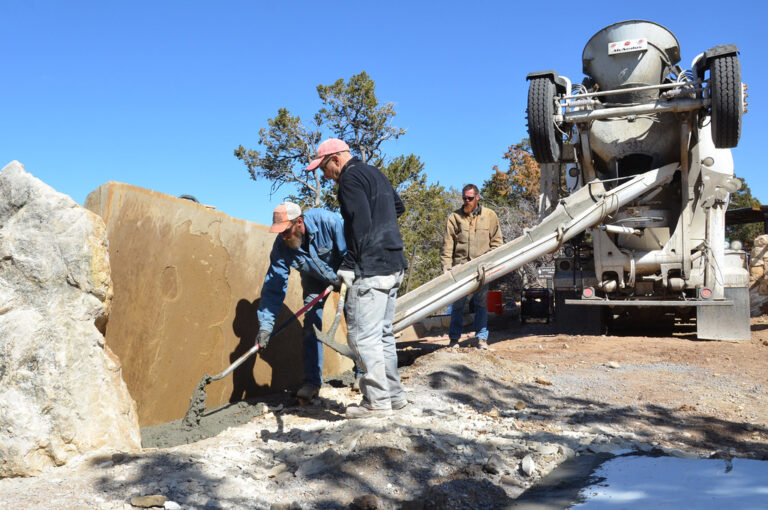
- Handle the messy reality of a site. Soil conditions that do not match the geotechnical report, labor availability, material supply chains, weather, all of the unpredictable, physical variables that make every project different from the one before it, still require a person standing on site making calls in real time.
- Define the actual problem and manage the humans involved. Deciding what a client actually needs, negotiating with a contractor, navigating government approvals, weighing ethics against cost pressure, none of that is a technical calculation an AI tool can hand you a clean answer for.
Fewer Engineers Doing More Important Work
My honest expectation is that the profession does not need more engineers in the future, it needs engineers doing more valuable work. The routine calculations, the repetitive drafting, the manual quantity takeoffs, all of that is exactly the kind of task AI tools are already good at accelerating. What that frees up is time for the parts of the job that actually require a trained human mind: judgment, verification, leadership on a project, and the accountability that comes with putting your name on a design. The tools will keep changing every few years. The need for a real engineer behind them will not.
I Use AI in My Own Work, Including This Series
I will say this openly because I think it matters: I use AI tools myself for research and scripting in this very content series, because this genuinely is the era of AI assisted work, and pretending otherwise does not serve my students or my clients. The engineers who will do best over the next decade are not the ones who avoid these tools out of principle. They are the ones who learn to use them well while still holding onto the judgment, verification, and accountability that no tool can take over.
What This Means If You Are Still a Student
If you are studying civil engineering right now, the practical advice I give is simple. Do not treat learning AI tools and learning real site fundamentals as competing priorities. You need both, and the sooner you get comfortable with both, the less you will be scrambling to catch up once you are actually on a project with real deadlines and real consequences.
Watch the Full Video in Urdu
I answered this question directly in Urdu for my Instagram audience, since it is one of the most common anxieties I hear from students right now. Watch the full reel embedded above, and follow @teeqiii on Instagram for more honest conversations about where this profession is heading.
If you are a student or young engineer figuring out how to position yourself for the next decade of this field, reach out through my contact page. I am glad to talk it through.