Can You Use Curing Compound Instead of Water Curing Concrete?
Curing compound seals moisture in instead of adding it. Here is when it is a legitimate professional choice, and where water curing still wins.
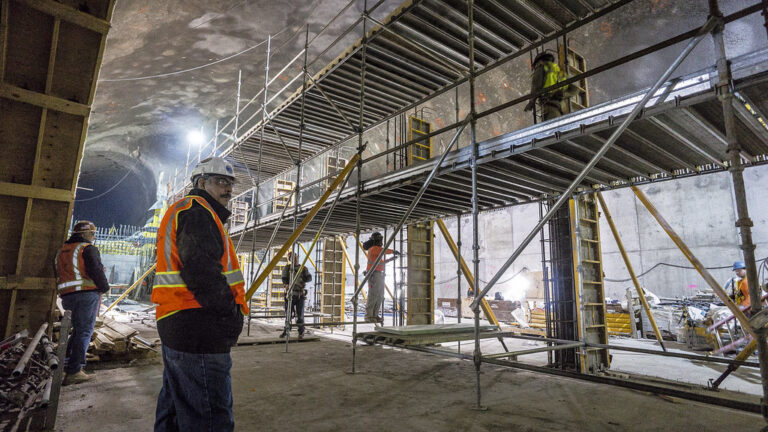
Curing compound seals moisture in instead of adding it. Here is when it is a legitimate professional choice, and where water curing still wins.
Concrete gains strength through hydration, not drying. Skipping curing can cost up to 40 percent strength, and the damage stays invisible for years.
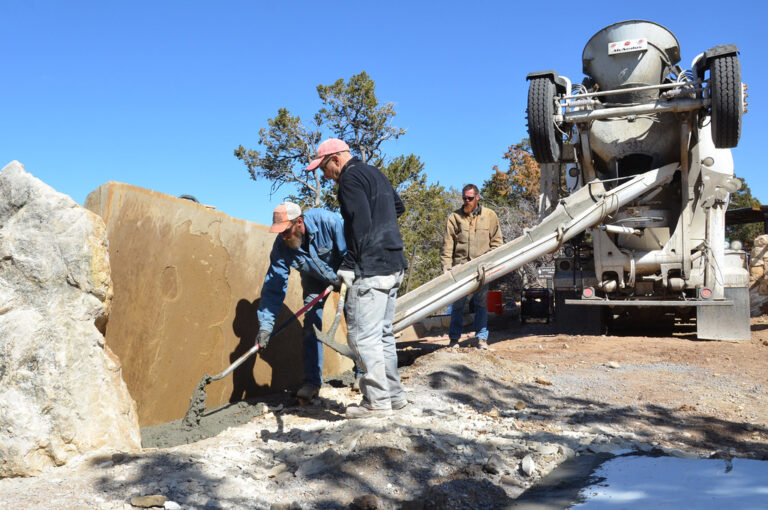
More cover helps fire resistance and corrosion protection, but it also widens surface cracks and weakens effective depth. Cover should be optimized, not maximized.
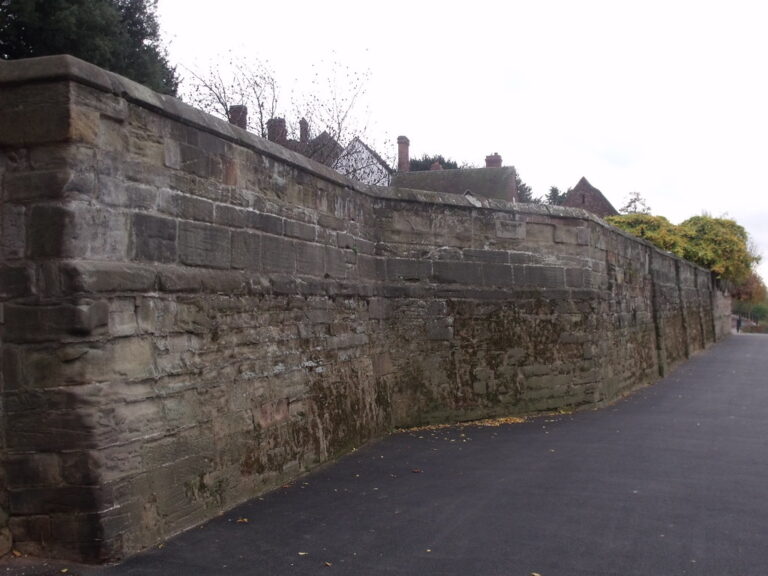
Why a free-standing boundary wall can only go a fraction as high as the same wall inside a house, and how pier spacing and control joints fix it.
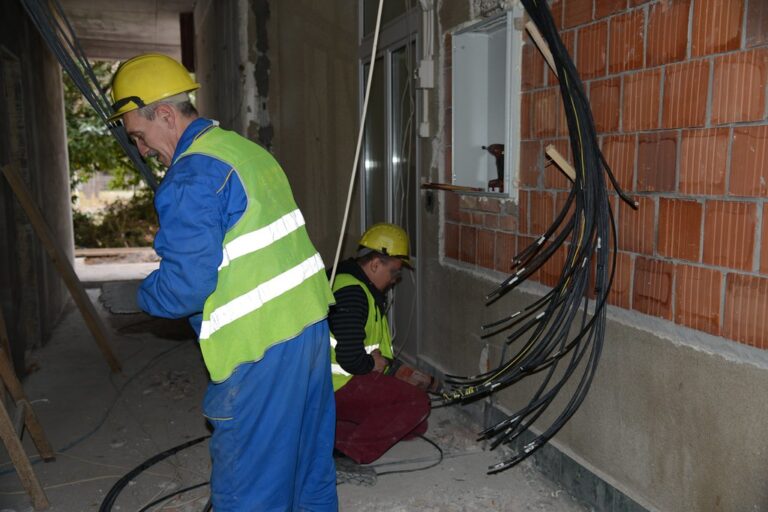
Concrete cover protects against corrosion and fire while helping steel and concrete bond, but too much weakens a member as much as too little.
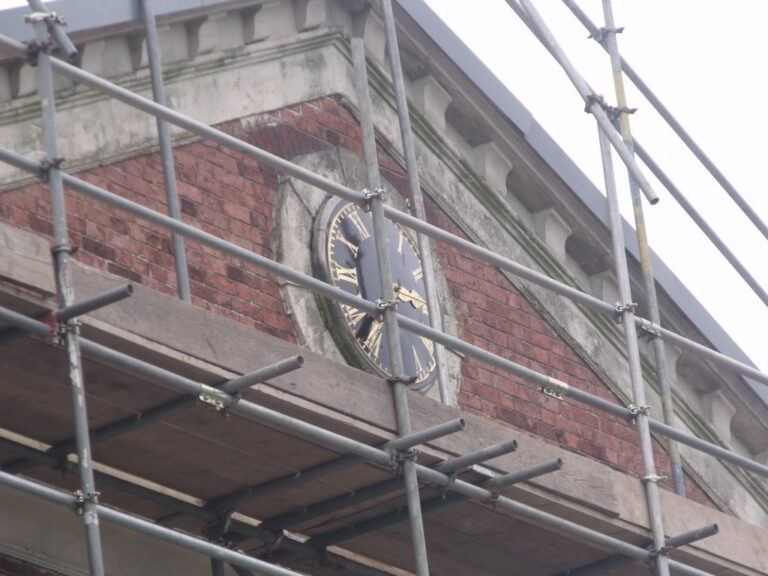
Buckling is a stability failure, not a strength failure. Here is how slenderness ratio and Euler’s formula explain why props, scaffolding, and columns fail.
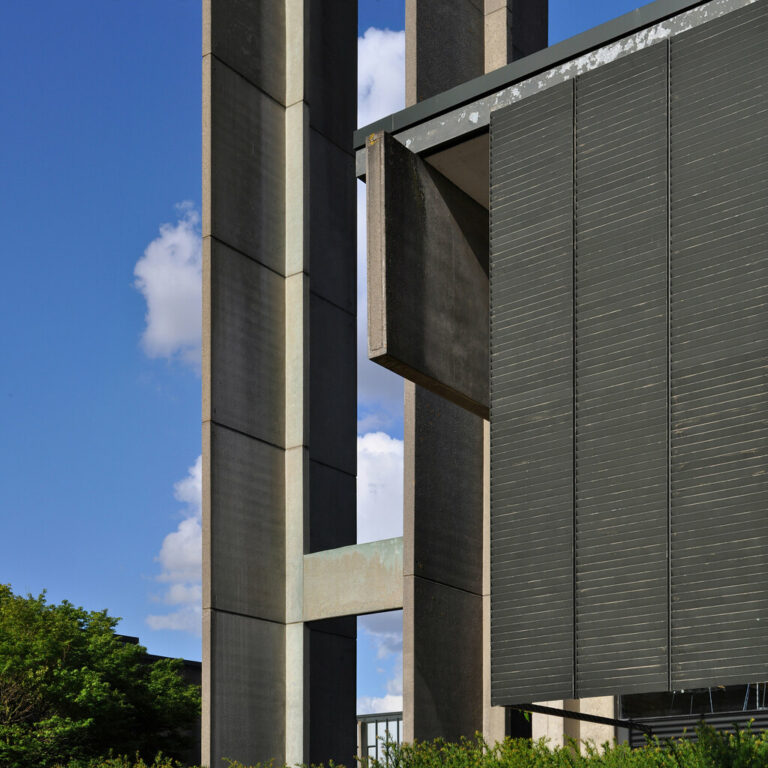
Cutting a cast beam to gain headroom can remove a third of its strength. Here is the safe process, and the cheaper fix most people overlook.
Load-bearing, framed, or confined masonry: how a PEC licensed civil engineer decides which structural system fits a home build in Pakistan’s seismic zones.
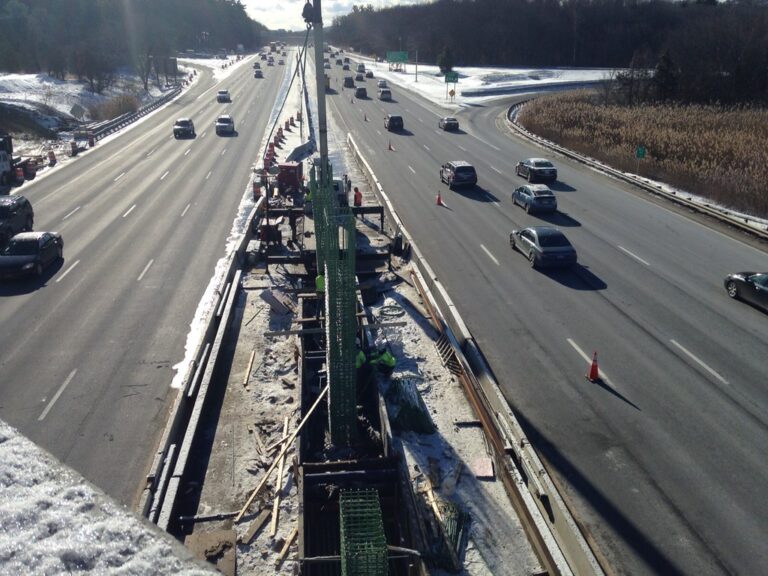
Lap length comes from a code book. Lap location comes from understanding stress patterns. Here is how to place splices correctly in beams and columns.
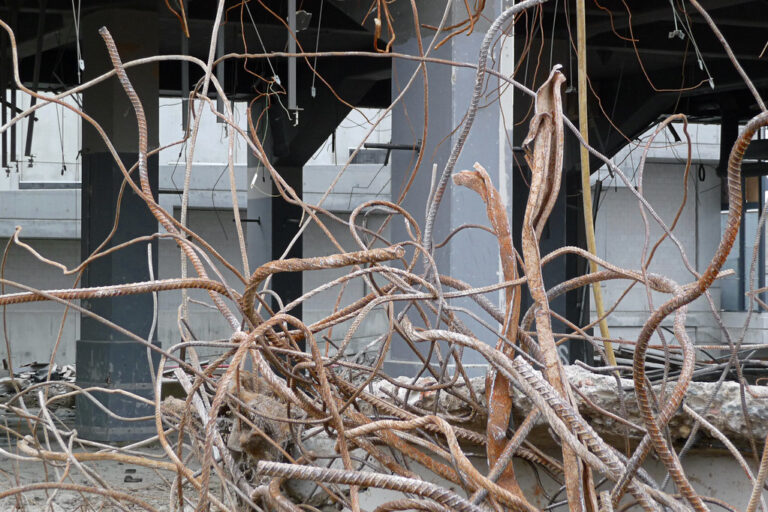
Why lap length is 60 bar diameters in tension and 40 in compression, and why seismic zones like Pakistan demand even more careful detailing.