Coupler vs Overlapping Rebar Splices: Which Should You Use on Site
Every few months a young site engineer asks me the same question in a slightly different way: should we lap the bars or use a coupler? I get why it comes up so often. It sounds like a simple either or choice, and everyone wants a clean rule they can apply on every project. The honest answer is that both are correct, and the real skill is knowing which situation calls for which one.
Two Ways to Continue a Bar, Not Two Competing Standards
Reinforcement bars come in limited lengths, so at some point on almost every structural member you need to continue one bar into the next. Lap splicing overlaps two bars over a calculated length so the concrete can transfer force between them through bond. A mechanical coupler instead threads or presses the two bar ends together into a sleeve, creating a direct, continuous connection with almost no extra length needed.
Neither one is the upgraded version of the other. They solve the same problem in different ways, and each has situations where it is clearly the better choice.
When Lap Splicing Is the Right Call
- Smaller diameter bars, where the required lap length is short and easy to accommodate
- Tighter budgets, since lap splicing needs no special hardware or trained installer
- Simple slabs, footings, and lightly loaded elements where congestion is not an issue
- Sites where labor is skilled in traditional detailing but does not have access to certified coupler technicians
Lap splicing has been the default in construction for decades because it works, it is cheap, and any competent steel fixer can execute it correctly if the drawings specify the lap length clearly. The tradeoff is that it needs space. A 60 diameter tension lap on a 32mm bar is nearly two meters of overlap, and in a congested column full of ties and multiple bar layers, that space is not always available.
When a Coupler Earns Its Cost
- Large diameter bars where a lap length would be impractically long
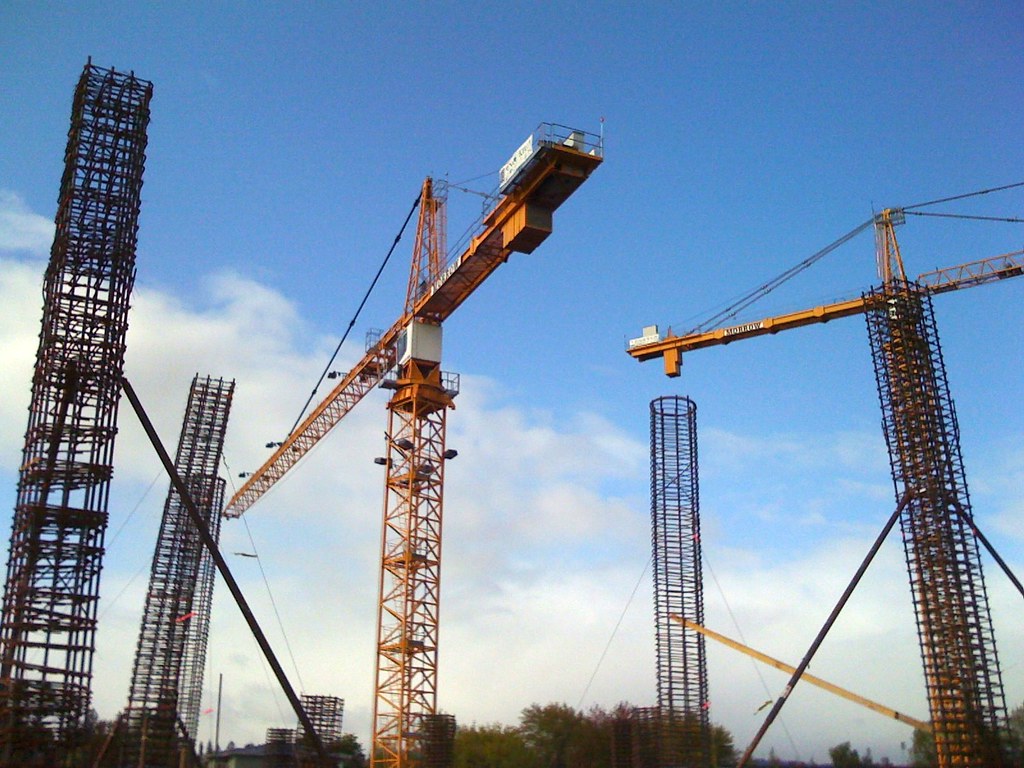
- Congested columns and beam column joints where there is simply no room for overlapping steel
- Seismic zones, where couplers give a more predictable, continuous load path through the connection during cyclic loading
- Situations where reducing bar consumption and speeding up fixing time on a tight schedule justifies the added hardware cost
Pakistan sits in an active seismic zone, and that matters here. During an earthquake, reinforcement has to keep transferring load through repeated cycles of tension and compression without losing capacity. A properly installed mechanical coupler tends to behave more predictably under that kind of cyclic demand than a lap splice squeezed into a congested joint. That is exactly the kind of situation where I will specify couplers even though they cost more per connection, because the reliability is worth it.
The Real Skill Is Reading the Situation
This is the point I keep coming back to with junior engineers. A textbook will tell you the formula for lap length and it will tell you that couplers exist, but it will not tell you which one to pick for the column you are looking at right now. That judgment only comes from seeing enough congested joints, enough seismic detailing requirements, and enough budget conversations with clients to know instinctively when the extra cost of a coupler is worth it and when a simple lap will do the job just as safely.
I tell my own site teams the same thing I am telling you now: an engineer who blindly always uses one method regardless of the situation is not actually engineering, they are just following habit. The engineer who looks at bar size, congestion, seismic demand, and budget together, then makes a deliberate choice, is the one actually doing the job.
Watch the Full Video in Urdu
I recorded the original breakdown of this topic in Urdu for my Instagram audience, since that is where most of the civil engineering students and young engineers I talk to actually are. You can watch the full reel embedded above, and if you want more of this kind of straight talk on rebar detailing, follow @teeqiii on Instagram.
If you are working through a detailing decision like this one on your own project and want a second opinion, reach out through my contact page. I am happy to talk through it.